Day One:
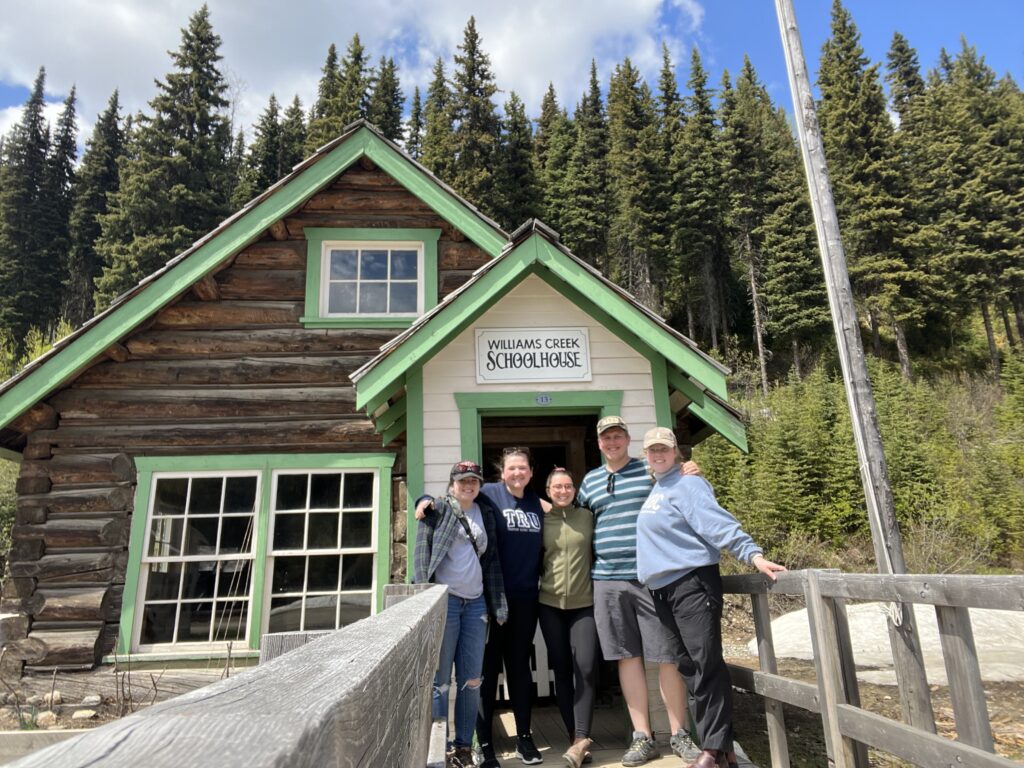
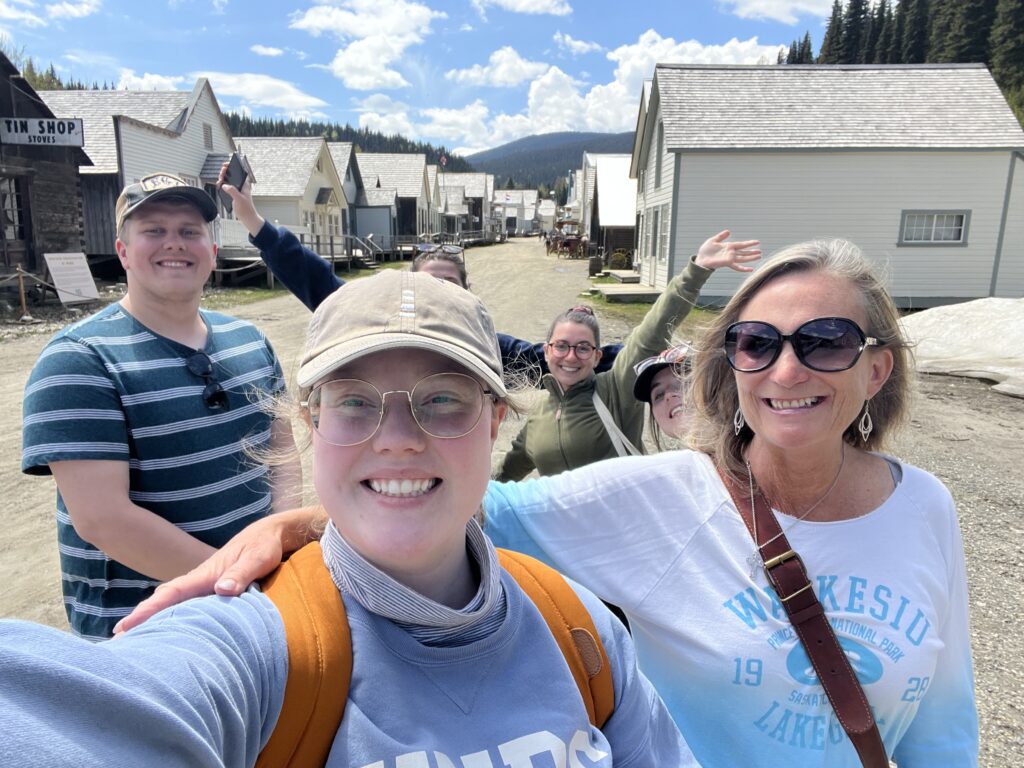
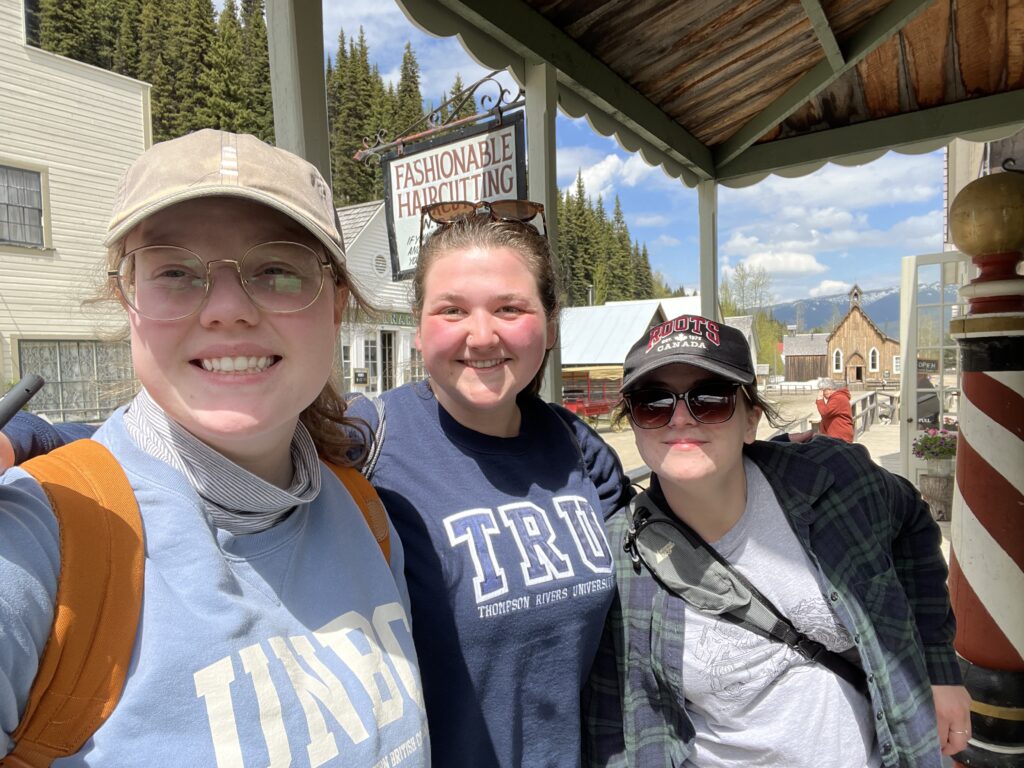
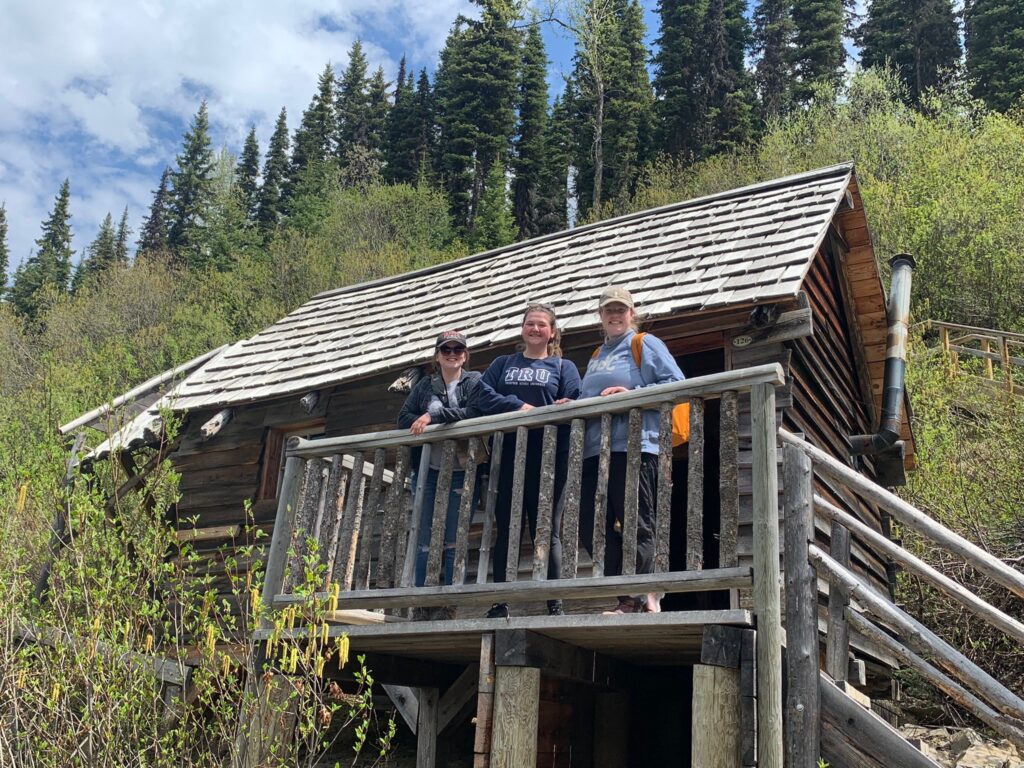
To wrap up our May semester, teacher candidates (TC) and teacher educators took a trip to Barkerville in the Cariboo region of BC. We focused our time on place based learning.
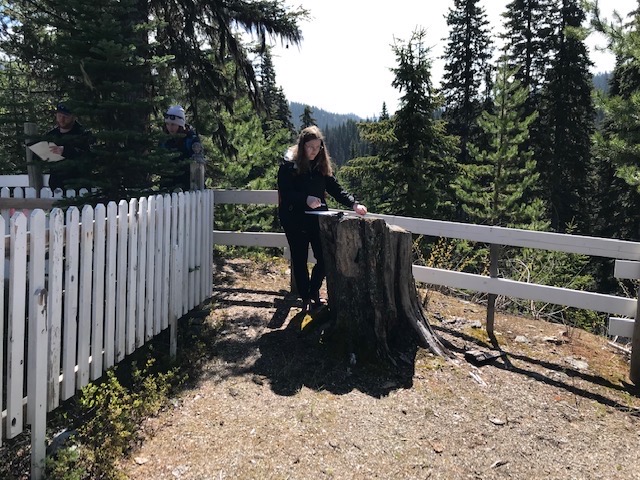
In Stanley, a town that now exists only through a graveyard and hotel, we took our time and created a way to appreciate the stillness of the cemetery. Each TC chose a site to draw with a perspective, art style, or colouring style of their choosing. The cemetery is on top of a small hill, within ear shot of Lightning Creek – which is currently running extremely fast and high with snow run-off. The setting allowed for reflection and concentration while creating thoughtful pieces of art. I chose to use cross-hatching with a straight-on perspective, this assignment follows many parts of the fine-arts curriculum, from grade 3 to 12, if not earlier.
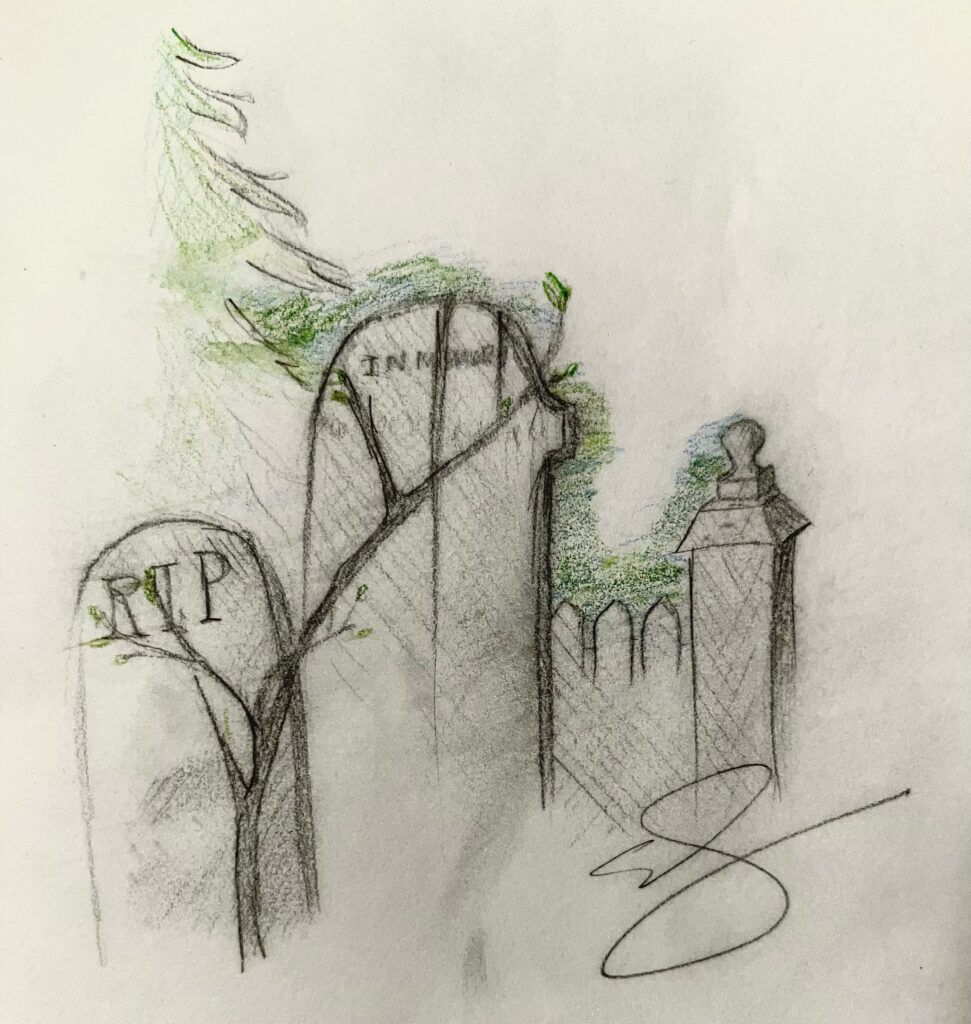
This activity allowed us to reflect while we created artworks, as well as discussing the different techniques each of us connected with, or even the stories we read (informational sign at the entrance of the cemetery).
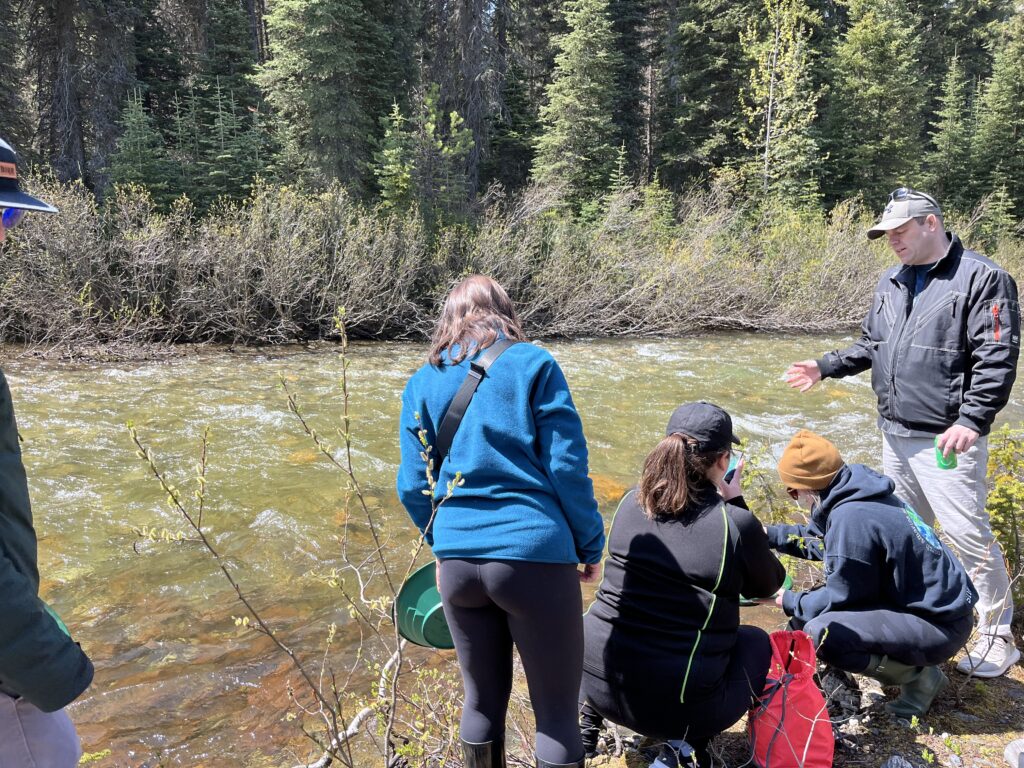
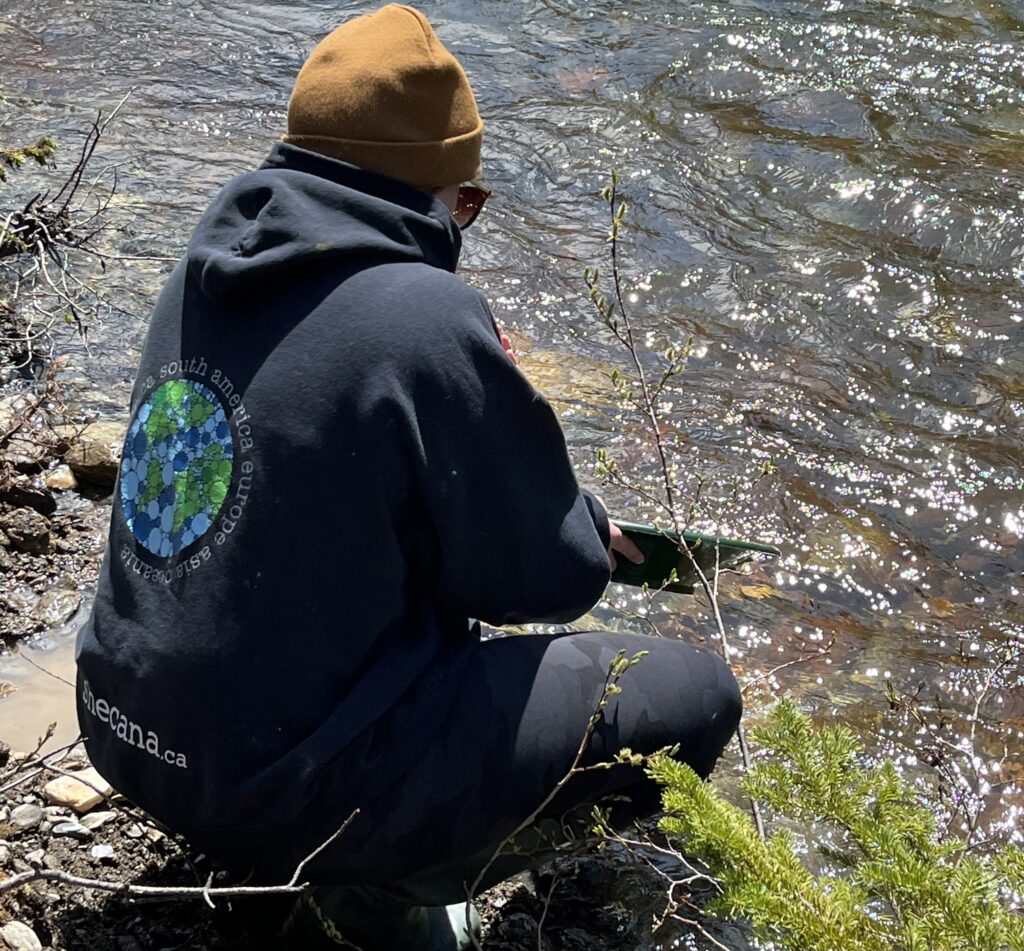
Our second stop in Stanley was the once well-used Lightning Hotel, where we stopped for lunches and gold panning. We were granted permission to attempt to gold-pan to have hands on experiences with how some gold was found in the Cariboo Gold Rush. While I was unsuccessful in gaining my fortune from this, it was so fun, engaging and provided a holistic view into the history of the place. Understanding the Gold Rush is an explicit part of the Social Studies 4 and 5 curriculum, and can be easily used to supplement and expand other grades.
Once we arrived in Barkerville, we attended the tour of Chinatown. The tour consists of discussing Chinese immigration to North America in the 1800s, with both the California Gold Rush and the Cariboo. Many issues existed that I never even thought of, such as the majority of Chinese immigrants bought from Chinatown only, rather than the colonial/European half of Barkerville.
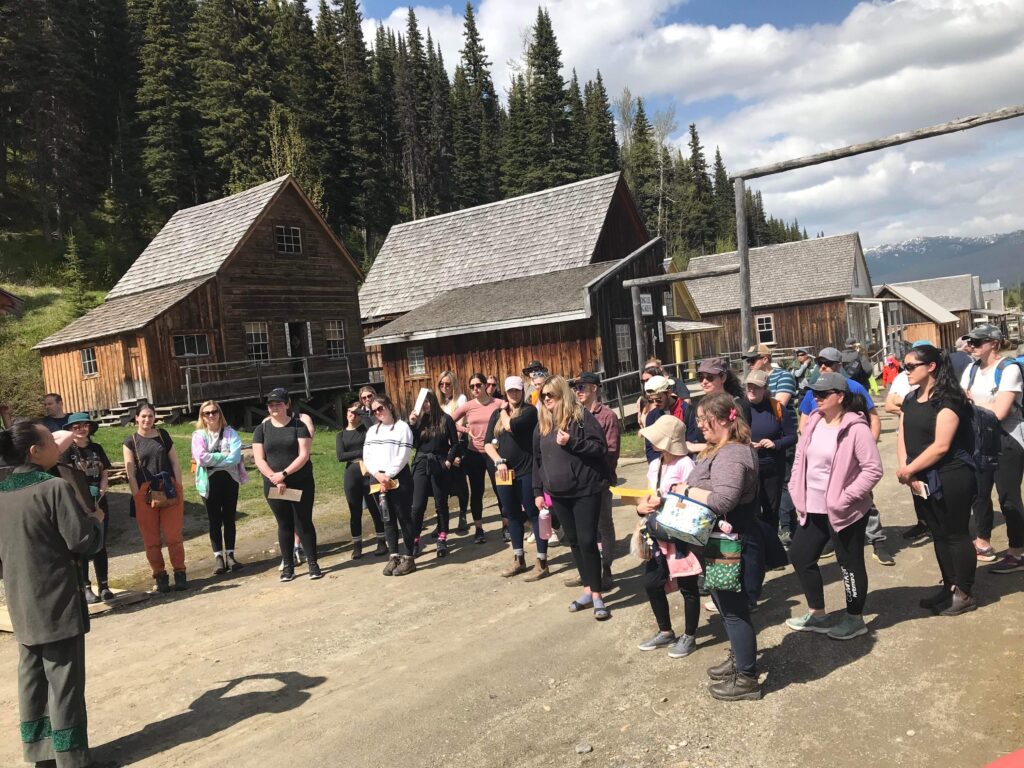
This tour encompasses the first wave of Chinese immigration, which is looked at through grade 4, 5, and can be added to the grade 6 curriculum.
Day Two:
We started the day with a tour of Barkerville, exploring the European side of the town. This tour was engaging as we were guided through the streets. Exploring the different ways that settlers and first peoples connected and interacted, as well as gender, race and other barriers that existed.

The story that stuck out to me was the library. A woman came to Barkerville and brought all of her books with her, she started their library. During the fire of Barkerville in 1868, every book and piece in the library was lost, causing this woman to restart from scratch. Despite this set back, the books were replaced and the library was restored. According to the tour guide, the literacy rate of Barkerville was close to zero, with the majority of residents being illiterate, so information was disseminated through town readings – where a literate person would read the newspapers to a crowd.
The other important fact that stayed with me is that once Barkerville burned down, they were able to plan the town from scratch, with more organization than before. This is a feat as most gold rush towns were erected quickly, without much regard for layout. Barkerville was able to widen its streets, space buildings out so that sparks could not easily fly from one building to another.
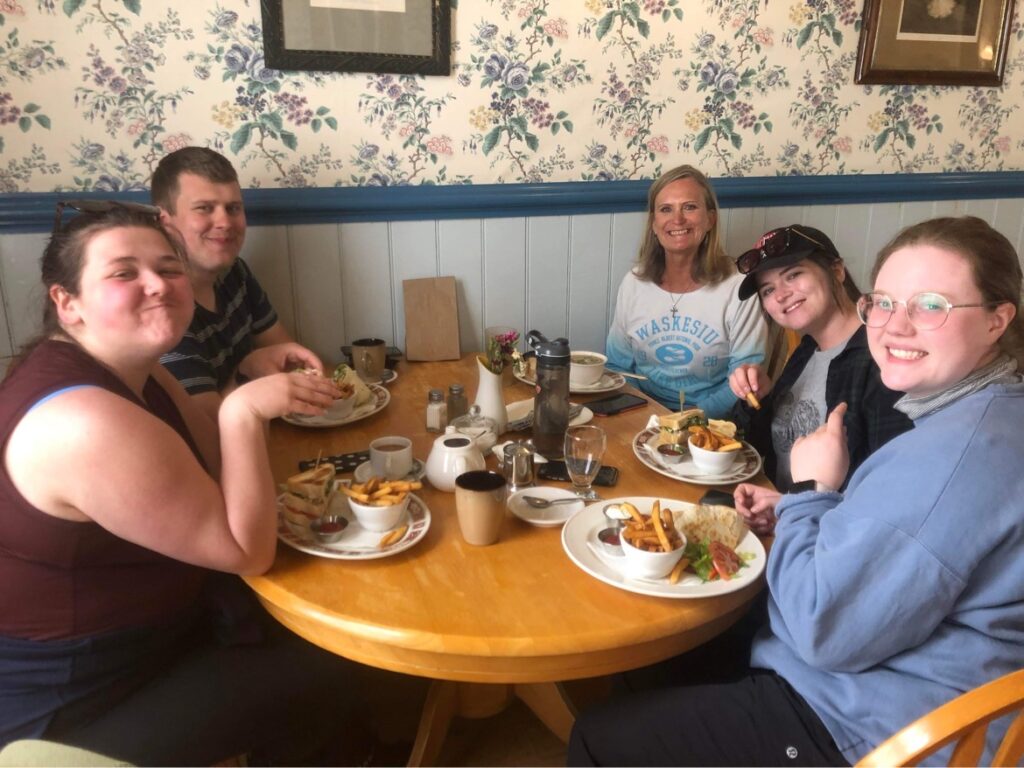
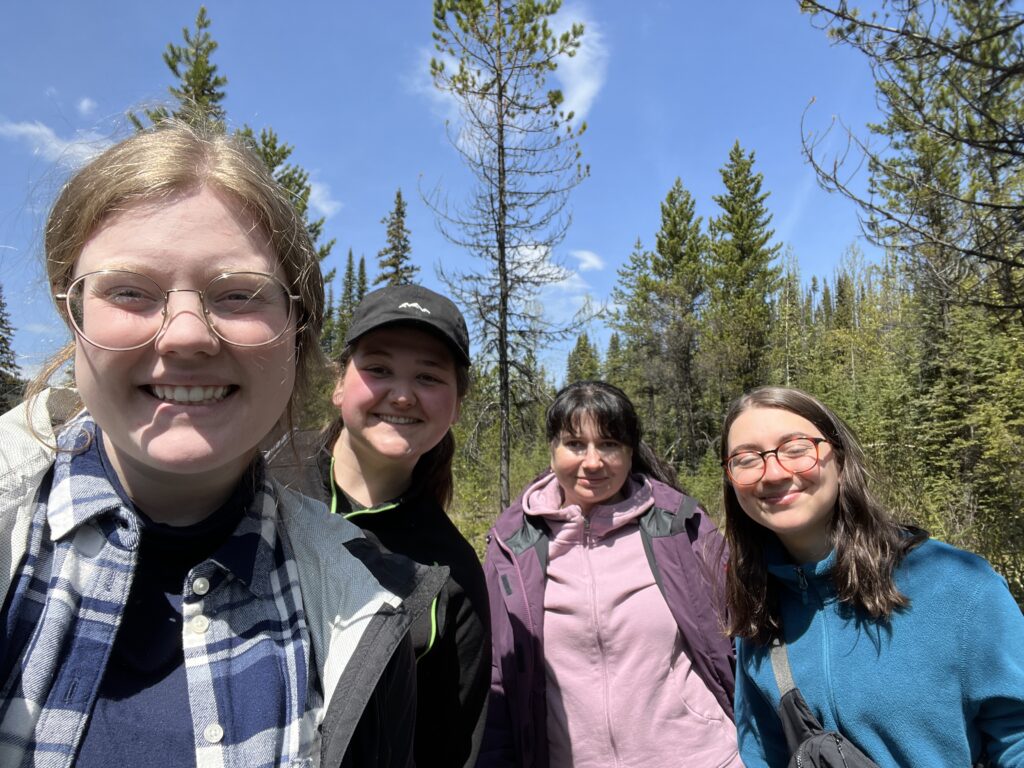
Our lunch was lovely, and while void of academics, we were able to spend the time discussing our experiences during the 490 practicum. How we learned to assess, what our favourite assignments were, the hopes we have going into our final semesters at UNBC, and the hopes we have for our 491 practicum in the fall! What was overwhelmingly clear, is that each of us grew, learned, laughed, and enjoyed the experiences we had.
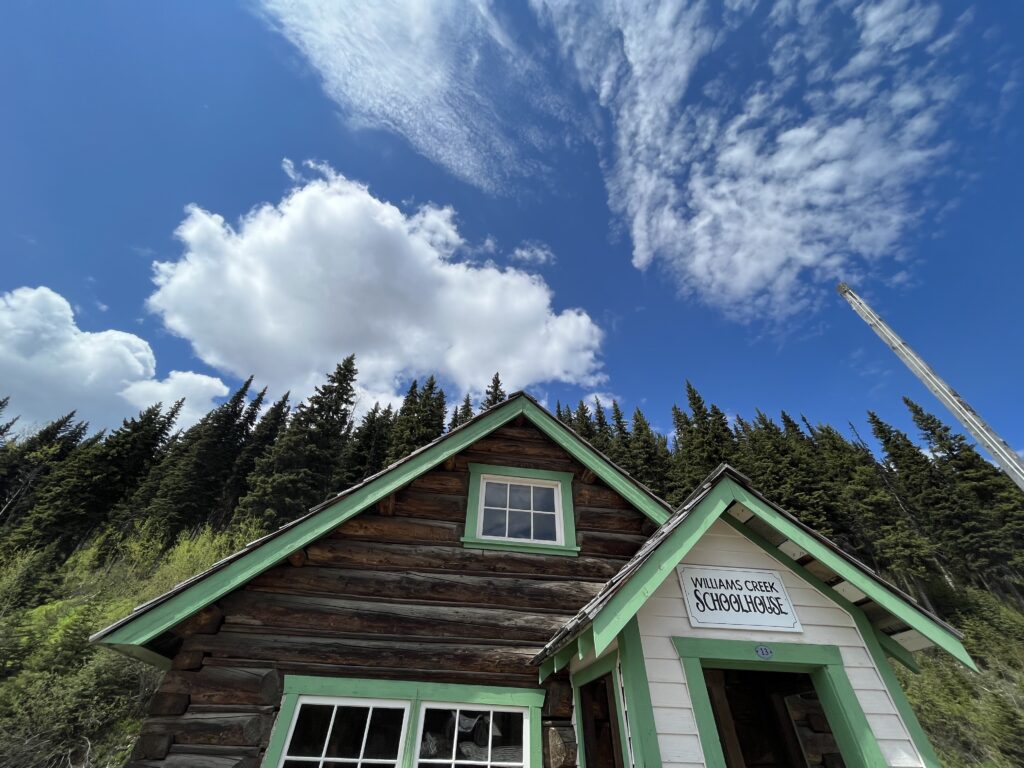
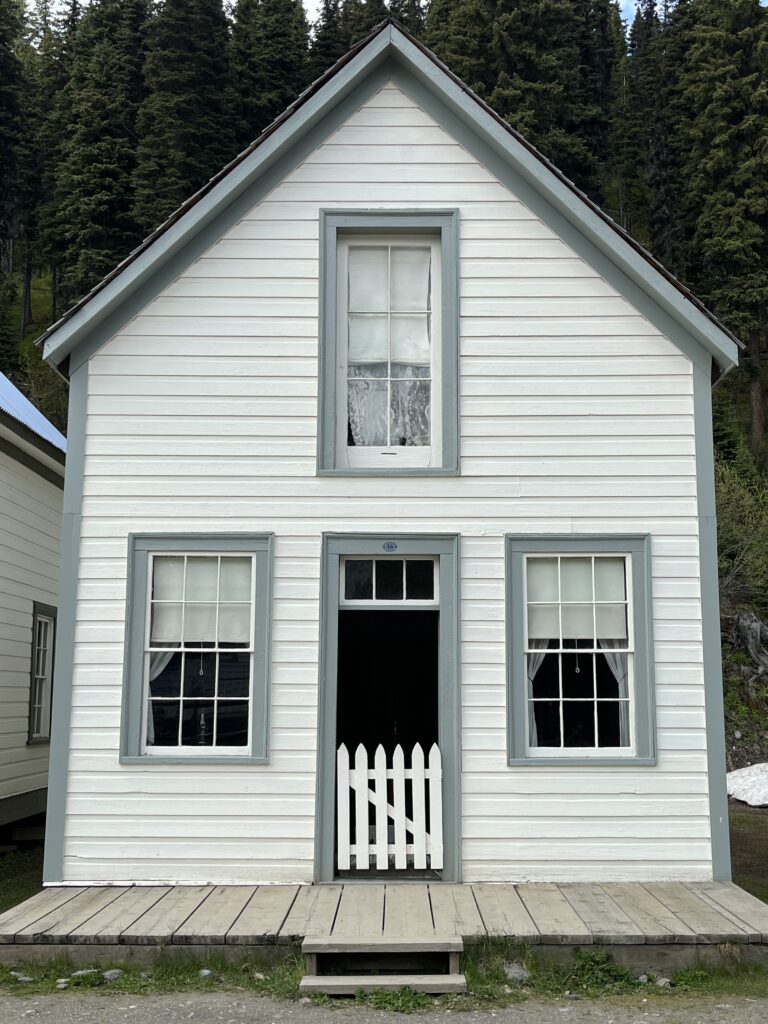
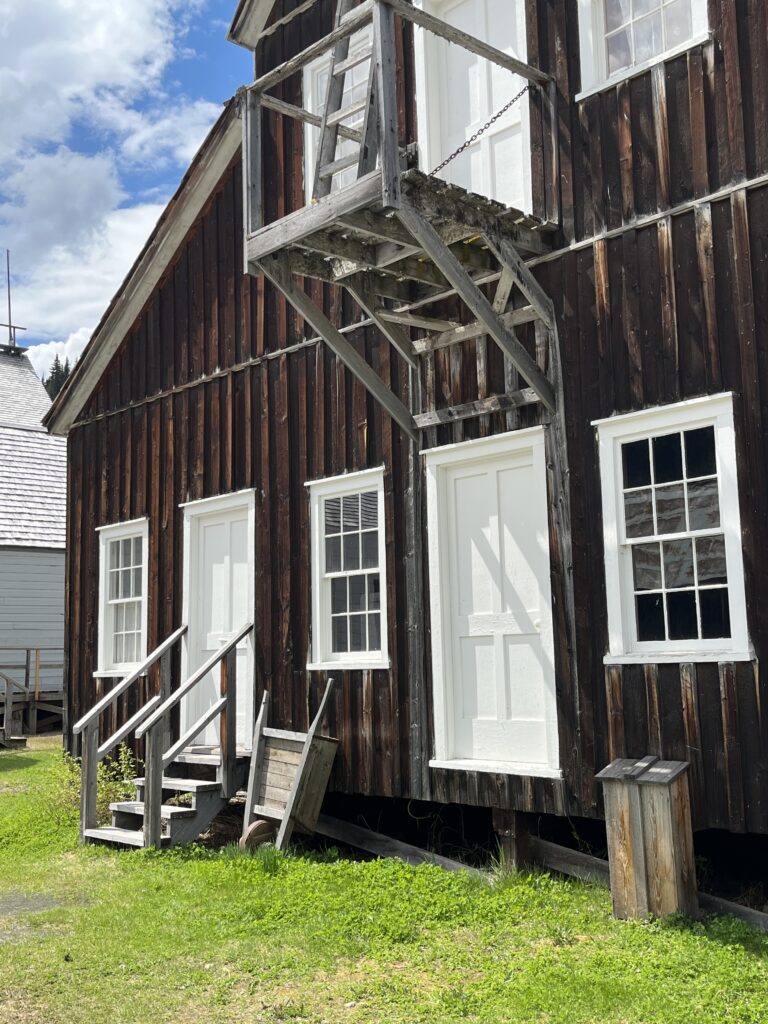
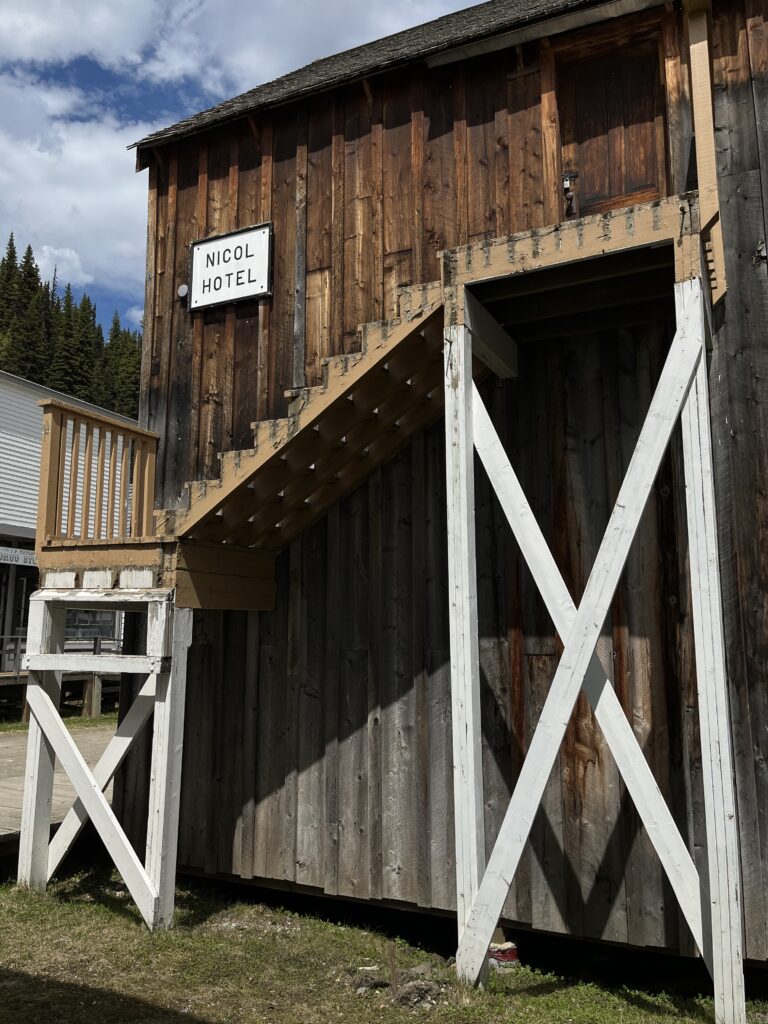
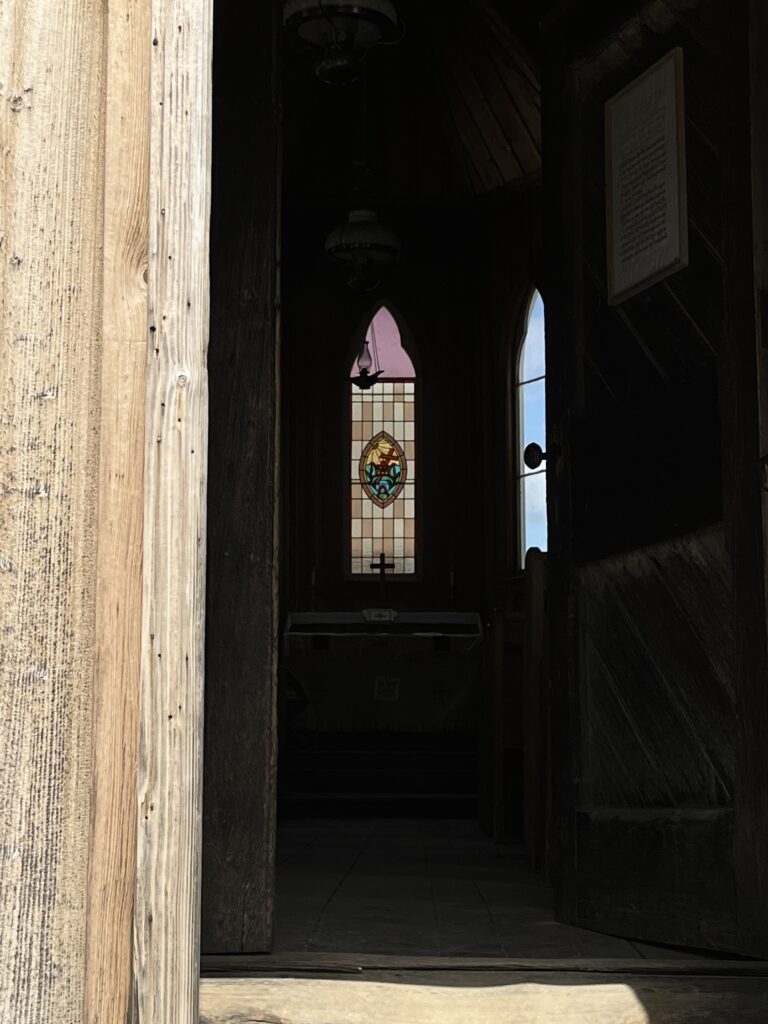
The final activity while physically in Barkerville was based on reflecting through art, sounds, or photography. My idea was looking at how the present and past intersect (originally), but that morphed into appreciating the shapes and contrasts that exist throughout the townsite. The idea of creating a form of place-based art is applicable K-12.
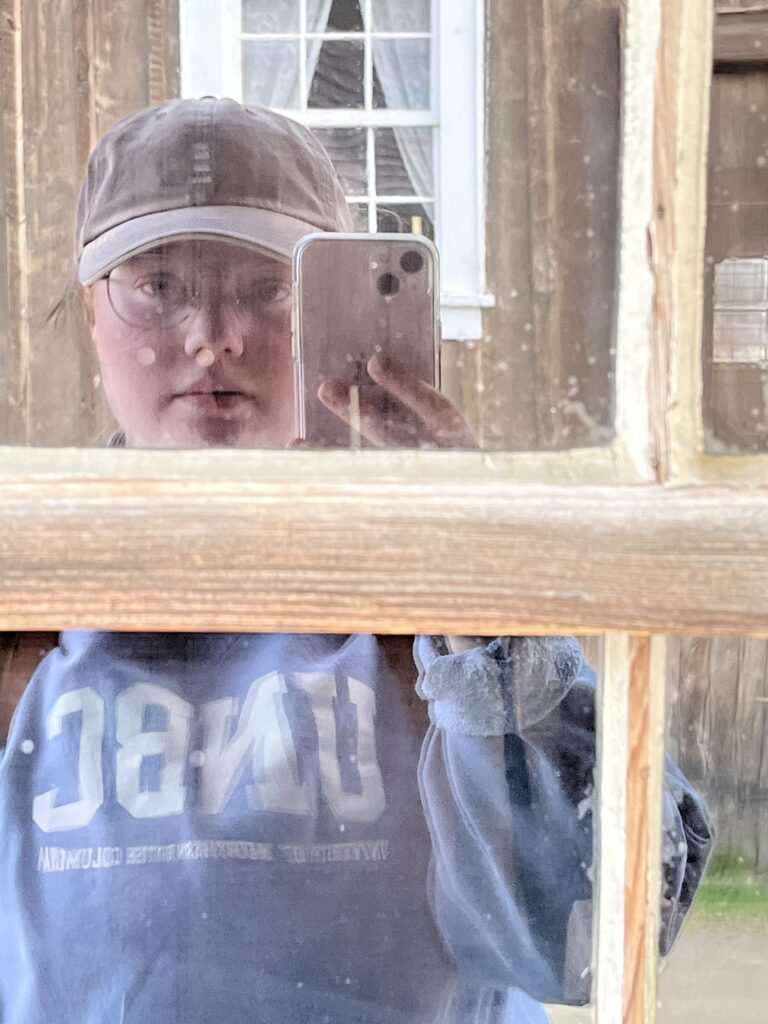

The second set of photos revolves around Victorian architecture and the beauty of the buildings, whether shape, colour, or setting.

After leaving Barkerville, we made our way to Blessing’s grave – a man who was murdered outside of Barkerville and his murderer was tried famously by Judge Begbie. We discussed different subject areas that could be used to respond to the place. For example in science, older grades could discuss the psychology behind greed or the consequences of preservation. In younger grades, a responsive activity of an art project of place, looking at the trees, sky, the way the grave is laid out.
The take-away of this field trip is that collaboration, creation, and connection are important for being a teacher, student, or learner in any context. Collaboration has to exist between yourself and others, sharing ideas and lessons can form beautiful learning experiences for your students and selves. Creation can be anything, from painting, drawing, writing, photography, etc. and fosters relationship with place. Connection is imperative for interpersonal and intrapersonal relationships, and understanding of place. Barkerville has always been a place in my life, from early childhood through adolescence to now in my early twenties. My late grandmother loved Barkerville and took my sister and I so many times growing up; in elementary school, I accompanied my mother’s class and got to experience it as a student; in high school, my dad was invited to perform at Artswells and we took a trip to Barkerville for dinner; my first roadtrip was to Wells and Barkerville right after I graduated high school. I have connections that run deep in my personal history to the Cariboo and being able to further understand my future career in a place that I know so well felt like a new perspective on learning and growing as an educator.